
The national education ecosystem is currently considered not yet fully capable of meeting the needs of gifted and talented students (known in Indonesia as CI+BI). Despite having cognitive capacities that far exceed their peers, these children possess unique social and emotional characteristics that require a distinct educational approach. Without proper services, many gifted children risk becoming underachievers because the regular system fails to accommodate their specific needs.
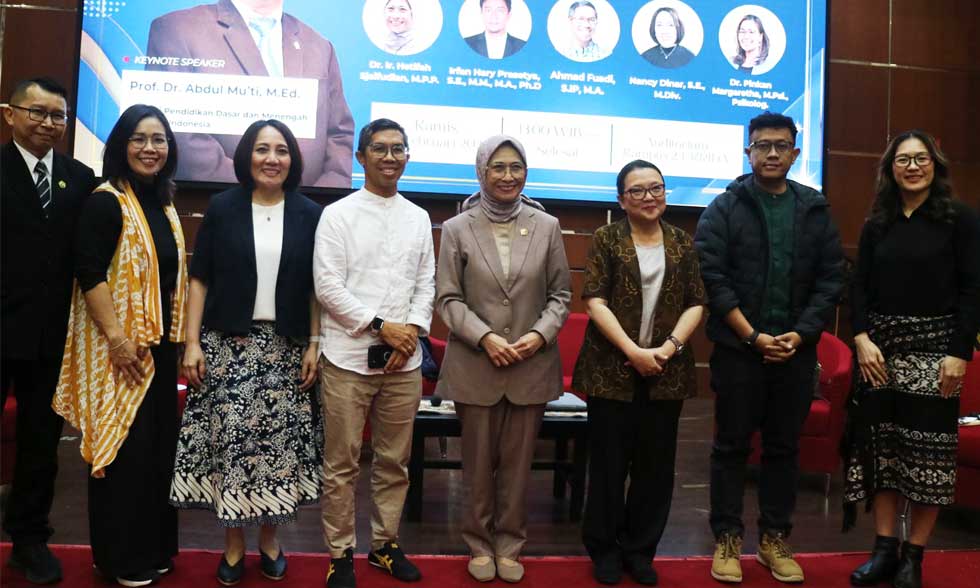
This issue took center stage in a discussion titled “Building a Gifted Education Ecosystem in Indonesia,” organized by Noble Academy in collaboration with the Faculty of Psychology at Krida Wacana Christian University (Ukrida) and Harian Kompas in Jakarta (February 19, 2026). The forum brought together representatives from the government, legislature, psychologists, education practitioners, and parents of gifted children.
Government Initiatives and Regulatory Gaps
The Minister of Primary and Secondary Education, Abdul Mu’ti, acknowledged that special educational services for gifted students have not yet functioned optimally, as mandated by the 2003 National Education System Law. However, the government has begun to show increased attention through:
- Permendikdasmen No. 25 of 2025 regarding Student Talent Management.
- The development of Garuda Excellence Schools (Sekolah Unggul Garuda) and integrated excellence schools designed to support high academic talent.
Perspectives from Practitioners and Parents
Nancy Dinar, Founder and Director of Noble Academy, emphasized that gifted children require differentiated services—spanning content, process, and learning approaches. She also highlighted the lingering stigma that gifted education is “elitist,” which has prevented it from becoming a policy priority.
Author and parent of a gifted child, Ahmad Fuadi, stressed the importance of early identification and a strong support ecosystem, noting that many families and schools still do not fully understand the characteristics of giftedness.
Legislative Support and Psychological Research
Hetifah Sjaifudian, Chairperson of Commission X of the Indonesian House of Representatives (DPR RI), asserted that the state must not ignore the approximately 2 percent of the gifted child population in Indonesia. Through the revision of the National Education System Law (UU Sisdiknas), it is hoped that educational services for gifted students will gain a stronger legal foundation to ensure policy and budgetary sustainability.
Furthermore, Ukrida psychologist Pinkan Margaretha Indira added that multidisciplinary collaboration and ongoing research are essential to establish definitions, approaches, and educational models for giftedness that are contextually relevant to Indonesia.
This discussion serves as a vital first step in fostering a gifted education ecosystem that is more inclusive, structured, and sustainable—ensuring that the nation’s top talents do not grow without direction, but instead develop optimally for the advancement of Indonesia.